

Who Monitors You During IV Sedation at the Dentist?
Who is in the room, what they watch, and what to ask.
During IV sedation at the dentist, the doctor giving the sedation is responsible for your care, with trained team members watching your oxygen level, heart rate, blood pressure, and breathing from the first dose until you're ready to go home. In California, a dentist must hold a separate permit from the Dental Board of California to provide it.
Who is responsible for you during IV sedation?
The dentist who gives the sedation leads your care for the whole appointment. That dentist stays with you, adjusts the medication as needed, and is trained to respond if anything changes. At least one other team member trained in patient monitoring assists throughout.
At McElroy Smiles in Encinitas, Dr. Greg McElroy and Dr. Austin Haught both perform IV sedation, and both are among a small number of dentists certified in IV sedation. For patients who need a deeper level of sedation, care is provided by the practice’s anesthesia provider.
What’s monitored during IV sedation?
Your vital signs are tracked continuously, not checked once and forgotten:
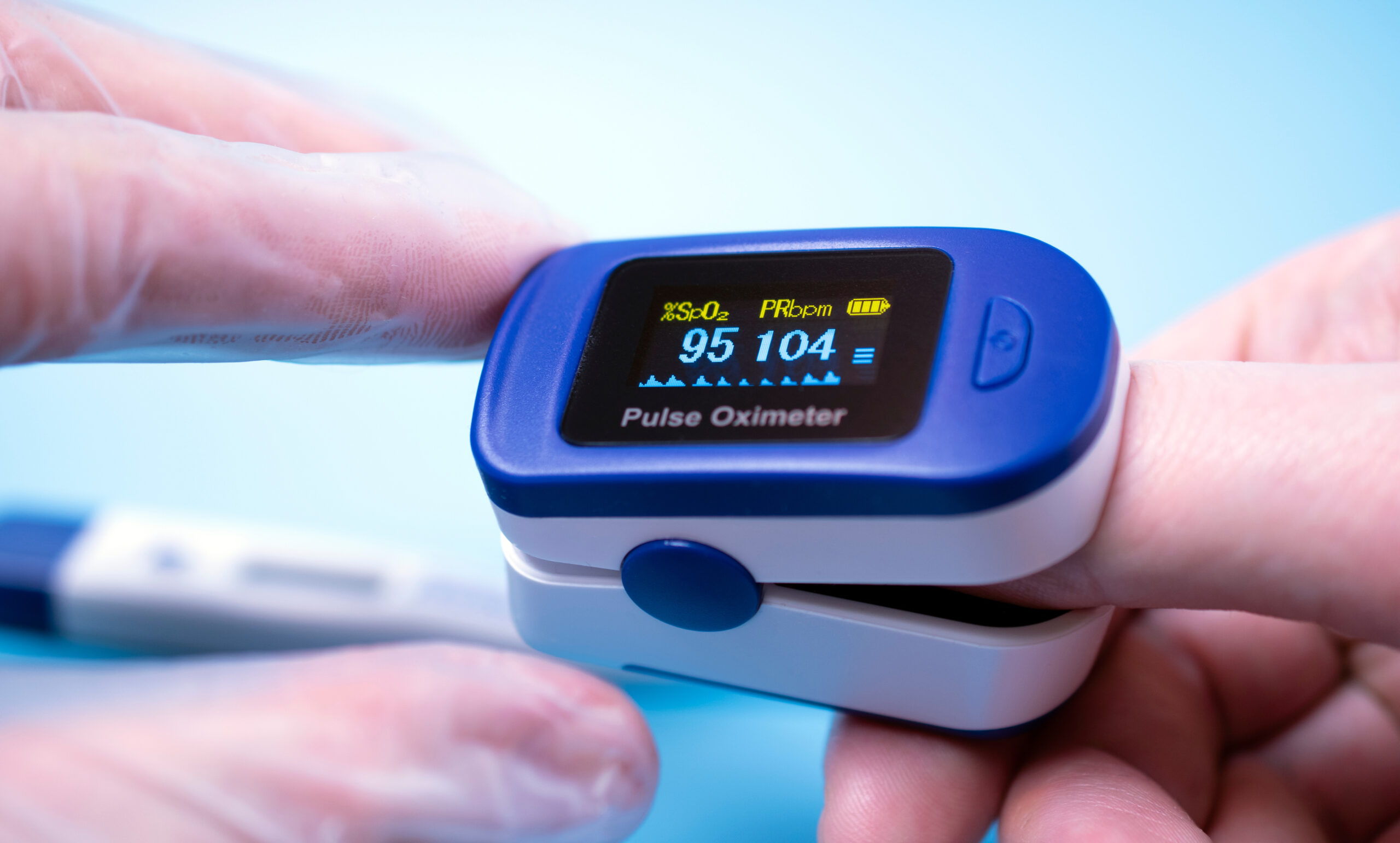
- Oxygen level, through a small clip on your finger called a pulse oximeter
- Heart rate and rhythm
- Blood pressure, measured at regular intervals with a cuff
- Breathing, watched directly and, under current American Dental Association guidelines for moderate sedation, through monitoring of exhaled carbon dioxide, which shows changes in breathing quickly
A permitted office also keeps oxygen, emergency equipment, and medications that reverse the sedation on hand, with a team trained to use them.
Will I be awake during IV sedation?
IV sedation at the dentist typically produces a deeply relaxed, drowsy state. You breathe on your own and can respond to the dentist, yet many patients remember little or nothing of the appointment afterward. It’s different from being fully unconscious, and the dentist adjusts the level to keep you comfortable and safe.
What happens before and after IV sedation?
Before: The dentist reviews your health history and every medication and supplement you take. Tell the team about sleep apnea, heart or lung conditions, and any past reactions to anesthesia. You will receive instructions about eating and drinking beforehand, and you must arrange for a responsible adult to take you home.
After: You rest in the office while the team continues to monitor you until you meet recovery criteria. You’re then released to your escort with written instructions. Plan on no driving, no important decisions, and no alcohol for the rest of the day.
What should I ask a dentist about sedation?
Good questions to bring to any office:
- Do you hold a sedation permit from the Dental Board of California?
- Who monitors me during the procedure, and what training do they have?
- What equipment do you use to track my breathing and oxygen?
- What happens if my vital signs change?
- How long will I stay after the procedure, and who do I call that evening?
Is IV sedation at the dentist safe?
In trained hands, with careful screening and continuous monitoring, IV sedation has a strong safety record. It isn’t risk free, which is why the health history review, the permit, the monitoring equipment, and the recovery period all matter. Being open about your health and medications is the most important thing you can do to keep it safe.
Nervous about all of this?
If fear has kept you away from the dentist, sedation can change how treatment feels. Dr. Greg McElroy and Dr. Austin Haught are both among a small number of dentists certified in IV sedation, and the practice offers nitrous oxide and IV sedation, so the level can match your comfort.
You don’t have to decide anything today. Ask the question first.
Goes to our team, not an automated reply.
Prefer to talk? Call (760) 621-8700.
Keep reading
Related Posts

Thinking about implants? Book a Free Smile Consultation to talk through your options. Or call (760) 621-8700
No. You need a responsible adult to drive you home after IV sedation, and you should not drive for the rest of the day. The medication affects reaction time and judgment for hours after you feel awake. Plan to rest at home and avoid alcohol and important decisions until the next day.
The dentist providing the sedation leads your care and stays with you throughout, supported by at least one team member trained in patient monitoring. Together they track your oxygen level, heart rate, blood pressure, and breathing from the start of the medication until you're ready to go home.
Many patients remember little or nothing of the appointment after IV sedation, even though they could breathe on their own and respond during it. Memory varies from person to person and with the length of the procedure. Your dentist can explain what to expect for your specific appointment.
In California, dentists need a separate sedation permit from the Dental Board of California, and you can check a dentist's license and permits on the board's website. At McElroy Smiles in Encinitas, Dr. Greg McElroy and Dr. Austin Haught are both among a small number of dentists certified in IV sedation.