

Do Wisdom Teeth Need to Come Out If They Don’t Hurt?
No pain does not always mean no problem, and here is how to tell.
Not always. Wisdom teeth that don't hurt can often stay if they've grown in fully, sit upright, and are easy to keep clean. Painless teeth can still cause decay, gum infection, or damage to the molar next door out of sight, so the decision rests on an exam and imaging, not on pain.
Wisdom teeth that do not hurt may still need to come out, because many wisdom tooth problems develop quietly. A partly erupted tooth can trap bacteria, decay can form where brushing cannot reach, and a tooth angled forward can damage the molar in front of it. An exam and imaging show whether yours are a risk.
Why would a dentist recommend removing wisdom teeth that don’t hurt?
Pain is a late signal. Several wisdom tooth problems develop quietly:
- Partial eruption. A tooth that has only partly broken through leaves a flap of gum where food and bacteria collect. That area can become infected, a condition called pericoronitis.
- Decay you can’t reach. Wisdom teeth sit so far back that brushing and flossing them well is hard. Cavities can form on the wisdom tooth or on the back of the second molar in front of it.
- Damage to the neighboring molar. A wisdom tooth angled forward can press against the second molar, trap plaque, and contribute to decay or bone loss on a tooth you want to keep.
- Gum and bone problems. Deep pockets around a wisdom tooth can lead to gum disease that affects the neighboring teeth.
- Cysts. Rarely, a sac around an unerupted tooth fills with fluid and damages surrounding bone.
When one of these is present or likely, your dentist may recommend wisdom tooth removal even if you feel fine.
When is it fine to keep your wisdom teeth?
Keeping them is a reasonable choice when all of the following are true:
- The tooth has come in fully and sits upright.
- It meets a tooth on the opposite jaw, so it’s useful for chewing.
- You can brush and floss around it effectively.
- The surrounding gums are healthy, with no deep pockets.
- Imaging shows no decay, bone loss, or cyst.
Wisdom teeth that stay should be checked at regular visits, with periodic imaging, because their situation can change over time.
Do wisdom teeth cause crowding of the front teeth?
This is one of the most common reasons people ask, and the evidence is mixed. Front teeth tend to shift slightly over a lifetime whether or not wisdom teeth are present. Crowding by itself is usually not a strong reason to remove healthy wisdom teeth. Your dentist can tell you whether your wisdom teeth are playing a role.
Is it better to have wisdom teeth evaluated earlier in life?
An earlier evaluation gives you more options. When wisdom teeth need to come out, removal is usually simpler and recovery easier before the roots are fully formed and while the surrounding bone is less dense. That’s a reason to have them looked at early, not a reason to remove healthy teeth. An evaluation can also show that your wisdom teeth are developing in a good position and can be watched.
What signs mean a wisdom tooth needs attention now?
Call your dentist if you notice:
- Pain or tenderness at the back of the mouth
- Swollen or red gums behind the last molar
- A bad taste or bad breath that keeps returning
- Jaw stiffness or difficulty opening fully
- Food getting trapped behind your back teeth
What does a wisdom tooth evaluation involve?
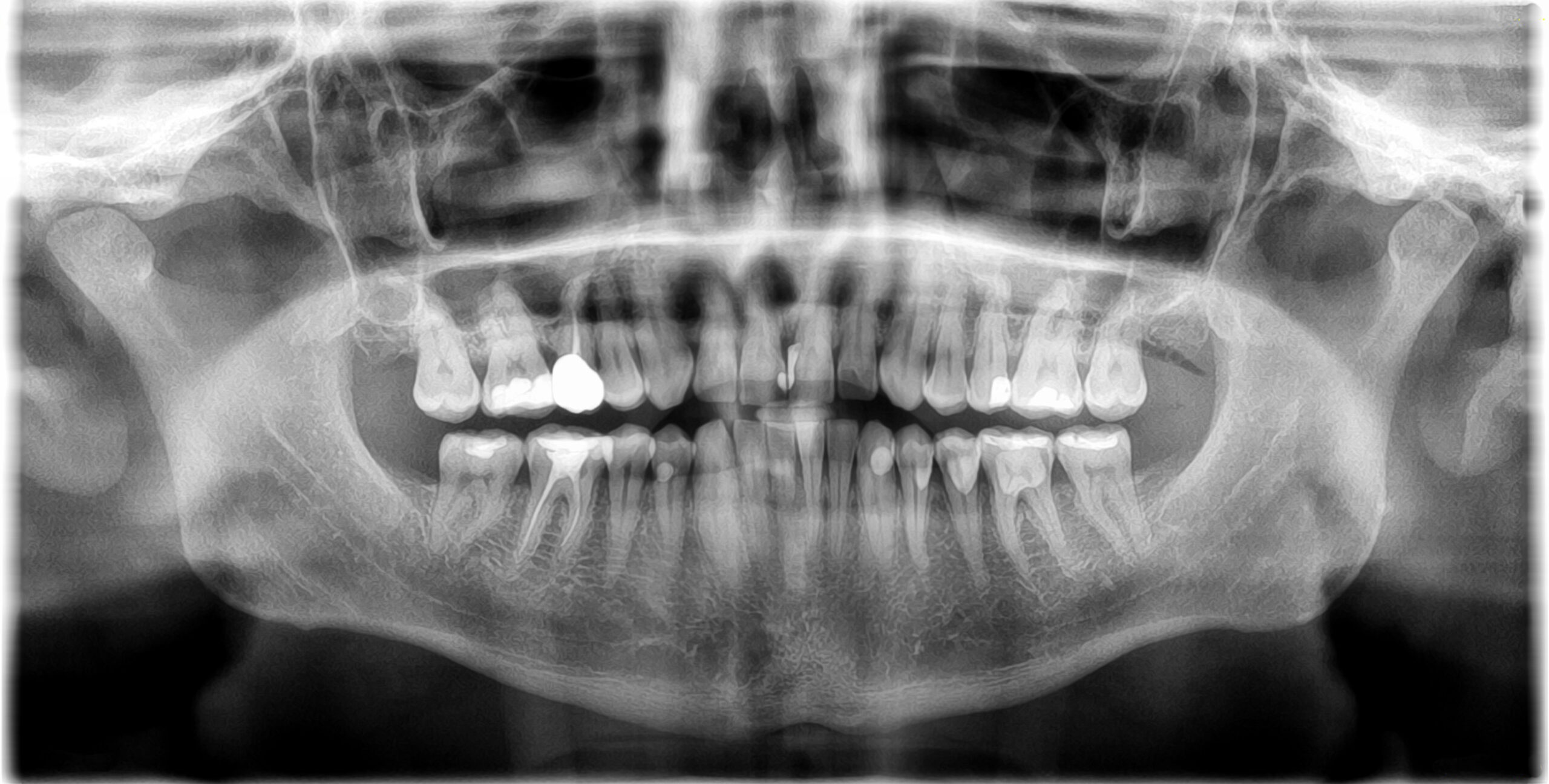
A clinical exam plus panoramic or 3D imaging that shows the full tooth, its roots, and its relationship to nearby nerves, sinuses, and teeth. At McElroy Smiles in Encinitas, the doctor walks you through the images, explains which wisdom teeth are healthy and which carry risk, and gives you a plain recommendation. If a tooth can safely stay, you will hear that too. If removal makes you nervous, here’s who monitors you during IV sedation.
Still have a question?
You don’t have to book anything to get an answer. Send the question and someone on the team will reply in plain language, without a sales pitch attached.
Goes to our team, not an automated reply.
Prefer to talk? Call (760) 621-8700.


Thinking about implants? Book a Free Smile Consultation to talk through your options. Or call (760) 621-8700
No. Wisdom teeth that have grown in fully, sit upright, meet the opposing tooth, and can be kept clean often stay with regular monitoring. Removal is usually recommended when a tooth causes or is likely to cause decay, gum infection, damage to the neighboring molar, or other problems visible on imaging.
Yes. Decay, gum infection around a partly erupted tooth, damage to the second molar, and bone loss can all develop without pain at first. That's why dentists base wisdom tooth decisions on an exam and imaging rather than symptoms alone. Regular checkups catch these problems before they become painful.
The evidence is mixed. Front teeth tend to shift slightly over a lifetime whether wisdom teeth are present or not. Crowding by itself is usually not a strong reason to remove healthy wisdom teeth. A dentist can review your imaging and bite to tell you whether your wisdom teeth are a factor.
Wisdom teeth that stay in should be checked at your regular dental visits, with imaging repeated periodically as your dentist recommends. Their position, the gums around them, and the neighboring molar can change over time, and routine monitoring catches problems early, before they cause pain or damage.