
Signs of a TMJ Disorder

How to recognize jaw trouble early
A TMJ disorder shows up as jaw pain, clicking or popping, frequent headaches, and soreness from grinding or clenching. If these last more than a few days, or your jaw catches or locks, it is worth getting checked, because early, conservative treatment usually brings quicker relief.
The most common signs of a TMJ disorder are jaw pain, clicking or popping, a jaw that catches or locks, headaches around the temples, and soreness from grinding or clenching. Occasional soreness is common. Pain that lingers or makes chewing hard is worth an exam.
What are the common signs?
The jaw joints take a lot of strain, and the warning signs are easy to miss:
- Jaw pain, tenderness, or tightness.
- Clicking, popping, or a jaw that catches or locks.
- Frequent headaches or aching around the temples.
- Soreness from grinding or clenching, often worse in the morning.
- Difficulty or discomfort when chewing.
What causes a TMJ disorder?
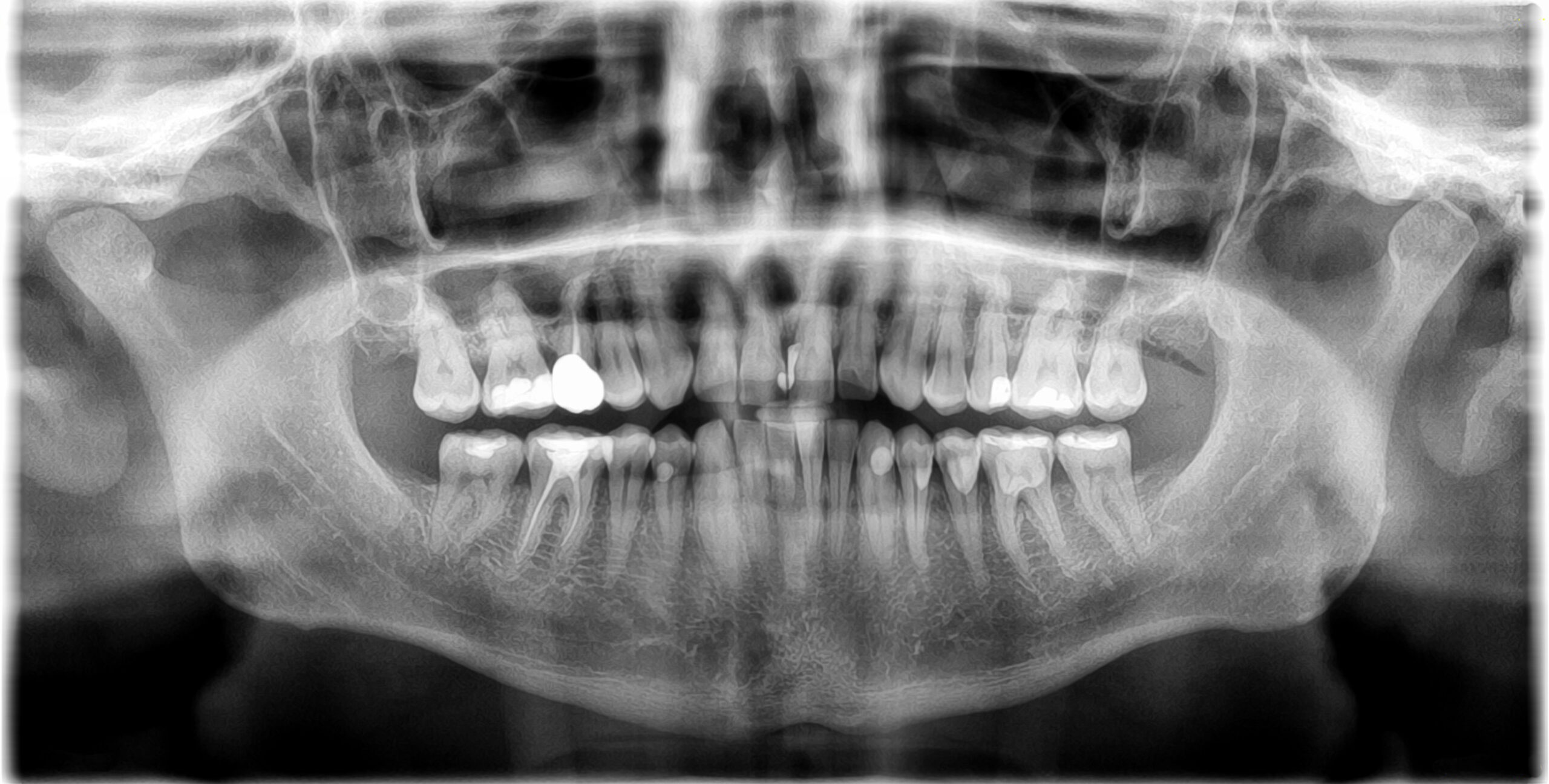
TMJ trouble usually comes from strain on the joints that connect your jaw to your skull, often from a misaligned bite, grinding, clenching, stress, or an injury. Pinpointing the cause is the first step, which is why an exam and digital imaging help us see what is really going on.
When should I seek help?
Occasional jaw soreness is common, but pain that lingers, a jaw that clicks or locks, or unexplained headaches are worth a look. Caught early, a TMJ disorder usually responds to simple, conservative care like a custom nightguard, so there is little reason to wait it out.
Keep reading

Thinking about implants? Book a Free Smile Consultation to talk through your options. Or call (760) 621-8700
It often feels like jaw pain or tightness, clicking or popping when you open and close, headaches, or soreness from grinding, especially in the morning. Some people notice their jaw catching or locking. If these persist, it is worth getting checked.
Mild jaw soreness sometimes settles on its own, but ongoing pain, clicking, or locking usually does not, and can worsen without care. The good news is that early treatment is often simple and conservative, such as a custom nightguard.
Treatment usually starts conservatively, with a custom occlusal splint or nightguard to ease strain and protect the teeth. For jaw tension from overworked muscles, Botox can help. The right plan depends on the cause, which an exam helps identify.